






領域名 環境生態機能学
教員氏名 中國正寿
研究分野 海洋生物地球化学

研究キーワード:瀬戸内海,物質循環,海洋プラスチック,脂肪酸,科学と芸術

最近の研究課題
1.瀬戸内海「人の暮らしに近い海での科学」
瀬戸内海は,多くの人が暮らすすぐそばにある海.だからこそ,人の活動の影響を受けやすく,その変化を調べることが大切になる.私たちは,海の中で栄養がどのようにめぐるか(物質循環),それを支える植物プランクトンの働き,そして近年問題になっているプラスチックごみの行方まで,「暮らしに近い海」で何が起きているのかを幅広く研究している.
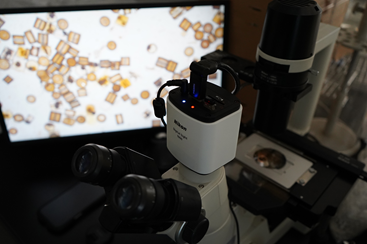
2.プランクトンの栄養を追いかける
海の豊かさは,植物プランクトンの量だけでは決まらない.植物プランクトンがつくるEPAやDHAなどの脂肪酸は,動物プランクトンや魚,私たちの栄養にもつながっている.瀬戸内海のプランクトンの脂肪酸を調べ,食物連鎖を支える「栄養の質」の変化を明らかにする.
3 .芸術と科学の融合
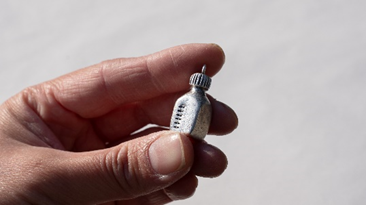
海の変化は,データだけでは社会に伝わりにくい.そこで,芸術家と協力し,海底の泥や観測データ,プランクトンなどを作品や展示に変える.目に見えにくい海の変化を,人が感じ,考え,行動するきっかけとして伝える方法を研究している.
代表的な研究業績

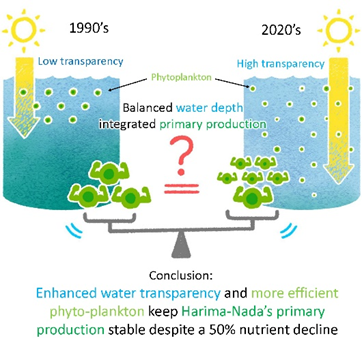
Nakakuni et al. (2026) Sustained phytoplankton productivity despite declining dissolved inorganic
nitrogen levels in Harima-Nada, eastern Seto Inland Sea, Japan. Cell Reports Sustainability.
Nakakuni et al. (2024) Convergence zones of coastal waters as hotspots for floating microplastic
accumulation. Marine Pollution Bulletin. 206, 116691.
Nakakuni et al. (2024) Seasonal variation in pore water nutrients and their fluxes from the bottom
sediments in Harima Nada, Seto Inland Sea. Journal of Oceanography. 80, 219–232.
Nakakuni et al. (2023) Organic compounds in aquatic sediments analyzed by pyrolysis–GC–MS with
tetramethylammonium hydroxide (TMAH) and alkaline CuO oxidation methods. Journal of
Analytical and Applied Pyrolysis. 172, 106016.
Nakakuni et al. (2021) Seagrass contributes substantially to the sedimentary lignin pool in an estuarine
seagrass meadow. Science of the Total Environment. 793, 148488.
Research Area: Environmental and Ecological Sciences
Research Specialization: Coastal Biogeochemistry
Name: NAKAKUNI, Masatoshi
Key ward:Seto Inland Sea, material cycling, marine plastics, fatty acids, science and art
Recent Research
1.Seto Inland Sea: Science in a sea close to people’s lives
The Seto Inland Sea lies right next to where many people live. This makes it especially vulnerable to human activities, and understanding its changes is crucial. Our research covers a wide range of topics in this “sea close to everyday life”—from how nutrients cycle through the water, to the role of phytoplankton that sustains marine ecosystems, to the fate of plastic debris that has become a growing concern in recent years.
2.Tracking the nutrition of plankton
The richness of the sea is not determined by the amount of phytoplankton alone. Fatty acids such as EPA and DHA produced by phytoplankton are passed along to zooplankton, fish, and ultimately to us. We analyze the fatty acids of plankton in the Seto Inland Sea to reveal how the “nutritional quality” underpinning the food web is changing.
3.Where science meets art
Changes in the sea are difficult to communicate through data alone. By collaborating with artists, we transform seafloor sediments, observational data, and plankton into artworks and exhibitions. We explore ways to convey invisible changes in the sea as something people can feel, think about, and act upon.
Publications
Nakakuni et al. (2026) Sustained phytoplankton productivity despite declining dissolved inorganic
nitrogen levels in Harima-Nada, eastern Seto Inland Sea, Japan. Cell Reports Sustainability.
Nakakuni et al. (2024) Convergence zones of coastal waters as hotspots for floating microplastic
accumulation. Marine Pollution Bulletin. 206, 116691.
Nakakuni et al. (2024) Seasonal variation in pore water nutrients and their fluxes from the bottom
sediments in Harima Nada, Seto Inland Sea. Journal of Oceanography. 80, 219–232.
Nakakuni et al. (2023) Organic compounds in aquatic sediments analyzed by pyrolysis–GC–MS with
tetramethylammonium hydroxide (TMAH) and alkaline CuO oxidation methods. Journal of
Analytical and Applied Pyrolysis. 172, 106016.
Nakakuni et al. (2021) Seagrass contributes substantially to the sedimentary lignin pool in an
estuarine seagrass meadow. Science of the Total Environment. 793, 148488.
このページの管理者:農学部広報担当